
Which Catering Equipment Uses the Most Energy (and What You Can Do About It)
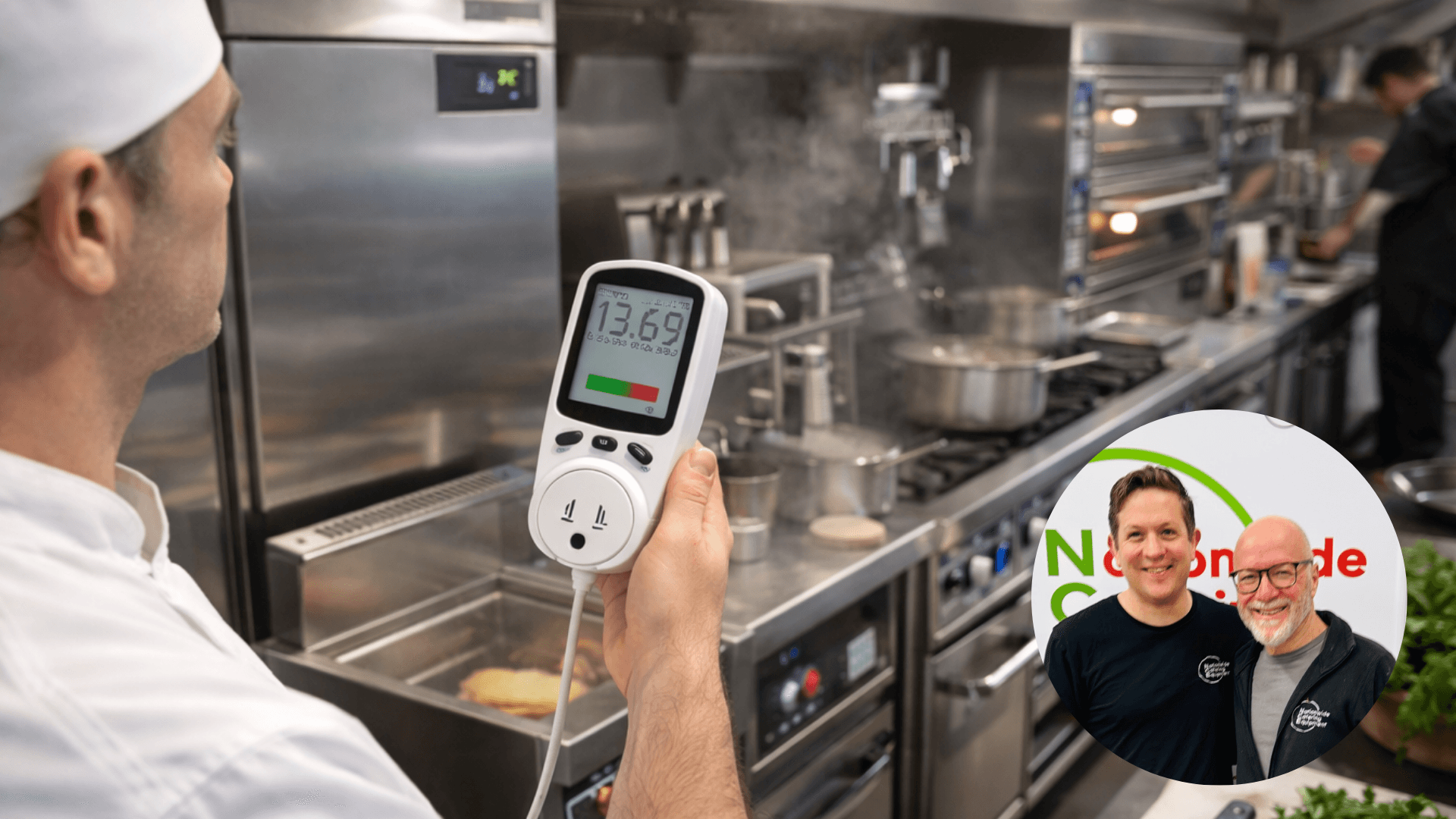
We know that energy bills are one of the biggest pressures on UK hospitality right now.
We speak to café owners, chefs and kitchen managers every week who are asking the same questions about why bills are so high, which equipment is costing them the most and where can they realistically cut back without hurting service.
This blog is here to answer those questions honestly, without getting too technical.
We’ll look at which pieces of catering equipment typically use the most energy in a commercial kitchen, and then share practical ways to reduce energy costs that actually work in real kitchens.
Which catering equipment uses the most energy?
In most commercial kitchens, energy use comes down to a small number of hard-working items that run for long hours or generate high heat.
Here are the biggest contributors we see across UK kitchens.
1. Refrigeration (fridges, freezers, walk-ins)
Unsurprisingly, refrigeration is often the single biggest energy user in a commercial kitchen.
Unlike cookline equipment, fridges and freezers run 24 hours a day. Even small inefficiencies can add up quite quickly.
Common issues:
• Old units with poor insulation
• Door seals that no longer close properly
• Overfilled cabinets blocking airflow
• Fridges set colder than needed
• Condensers clogged with dust
A poorly maintained fridge can easily use 20–30% more energy than it should!
2. Electric ovens and combi ovens
Electric ovens and combis draw a lot of power, especially during preheat and busy service periods.
Energy use increases when:
• Ovens are left on between services
• Doors are opened frequently
• Units are oversized for the menu
• Preheat times are longer than necessary
Don’t get me wrong, combi ovens can be efficient when used well (but expensive to run if used like a traditional oven all day).
3. Fryers
As expected, fryers are high-energy appliances by nature. They need to maintain oil temperature constantly and recover quickly after food is added.
Energy waste often comes from:
• Fryers left on during quiet periods
• Oil levels too low or too high
• Poor filtration causing longer recovery times
• Old heating elements
Gas fryers can also still be costly if not managed properly.
4. Dishwashers and glasswashers
Warewashing equipment uses both electricity and hot water, which means double energy impact.
Energy use increases when:
• Machines are run half empty
• Wash temperatures are higher than required
• Rinse cycles are longer than necessary
• Units are older or poorly maintained
Modern machines are far more efficient than older models, especially when loads are planned properly.
5. Extraction and ventilation systems
Extraction is essential, but it’s often overlooked as a major energy drain.
Large fans running all day, even when cooking equipment is off, can significantly increase electricity usage and pull heated air straight out of the kitchen.
Simple ways to cut energy costs in a commercial kitchen
This is where small changes make a big difference.
Here’s a practical checklist based on what we see working in busy UK kitchens.
Energy-saving checklist for commercial kitchens
Refrigeration
• Check door seals regularly and replace damaged ones
• Set fridges to the correct temperature, not colder than needed (check our blog on optimal fridge temperatures)
• Do not overload shelves
• Clean condenser coils every few months
• Switch off unused display fridges overnight where possible
Cooking equipment
• Only preheat equipment when needed
• Switch off ovens, grills and fryers between services
• Match equipment size to your actual menu
• Use lids on pans to reduce heat loss
• Avoid opening oven doors unnecessarily
Fryers
• Turn fryers off during quiet periods
• Keep oil at the correct level
• Filter oil regularly to improve recovery time
• Avoid using oversized fryers for small menus
Warewashing
• Run full loads only
• Use eco or energy-saving cycles where available
• Keep wash arms and filters clean
• Check rinse temperatures are not higher than required
Extraction
• Switch extraction off when cooking equipment is off
• Clean filters regularly to improve airflow efficiency
• Avoid running systems all day if not needed
Does energy-efficient equipment really make a difference?
In short, yes. But only when it’s the right equipment for how your kitchen actually operates.
Energy-efficient models often heat up faster, recover temperature more quickly, lose less heat and require less constant running.
That being said, replacing everything is not always the answer.
In many kitchens, better habits and maintenance reduce energy costs before new purchases are needed.
When equipment does need replacing, choosing the right size, fuel type and efficiency rating matters far more than choosing the newest model.
The biggest mistake we see
One of the most common mistakes is focusing on one piece of kit in isolation.
Energy savings actually come from carefully looking at how long equipment runs, when it’s switched on, how it’s used and how well it’s maintained.
A slightly older piece of equipment used properly often costs less to run than a brand-new unit used badly.
What this means for your kitchen
Energy costs are not something most kitchens can eliminate. But they can be controlled.
Understanding which catering equipment uses the most energy is the first step. Making small, realistic changes is where the savings actually happen.
If you want help choosing more energy-efficient equipment, replacing an old unit, or simply understanding what will make the biggest difference in your kitchen, we’re always happy to talk things through. Give us a call or pop in to our warehouse.
Best Wishes,
Norman and Richard